Kai Boysan is the CEO of Flix North America, parent of FlixBus and Greyhound.
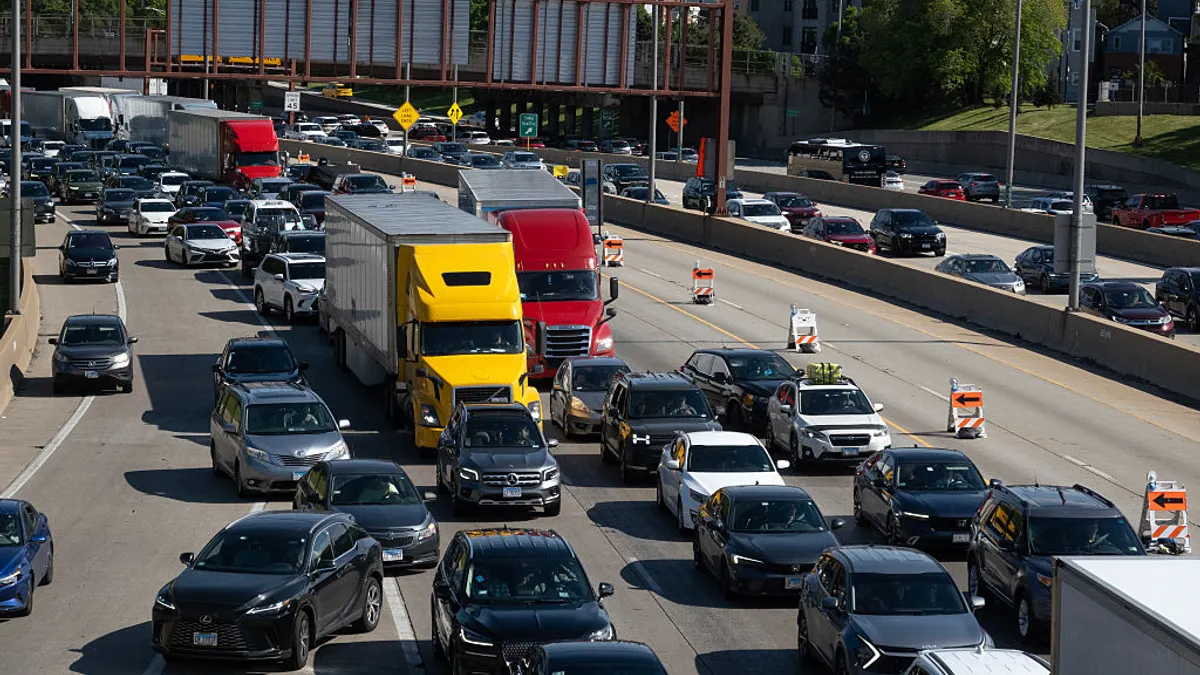
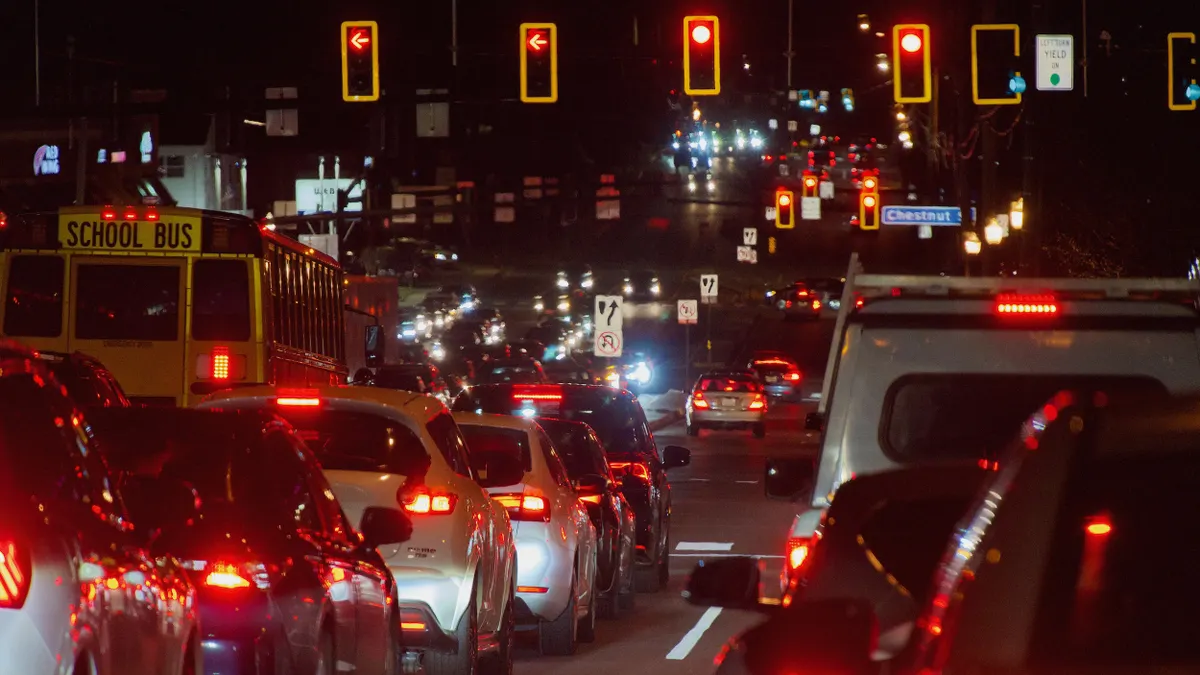
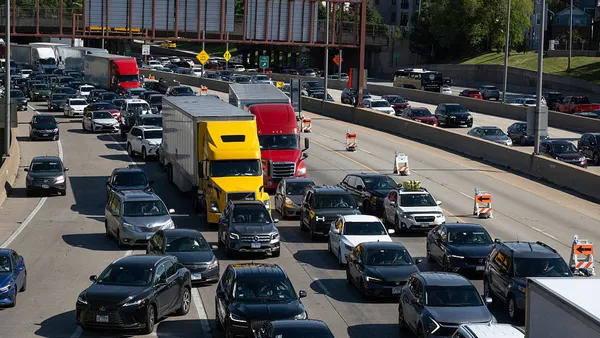
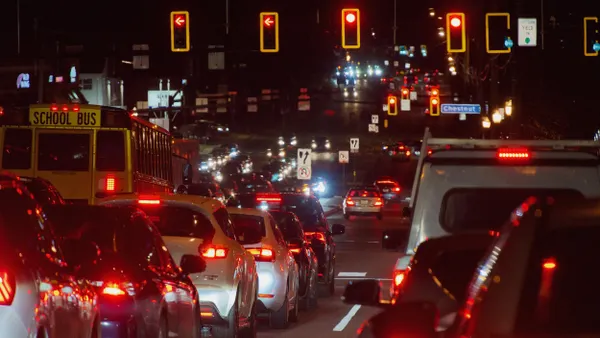
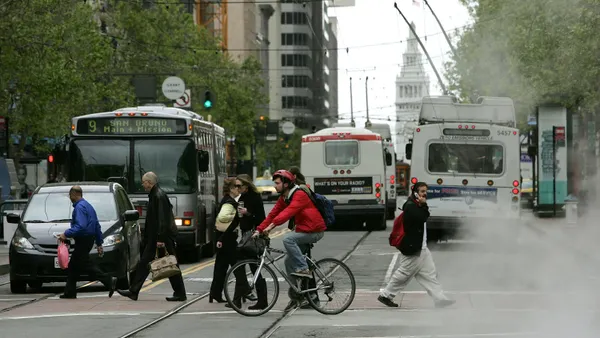
Over the next few years, the United States will host the America 250 celebrations, the 2026 FIFA World Cup and the 2028 Summer Olympic and Paralympic Games. The millions of additional travelers will further burden already strained transportation networks, from airports to highways to local transit, as residents and visitors move among host cities, hotels and event venues.
Cities are preparing for this surge, but many are overlooking one of the fastest ways to add capacity without building new infrastructure: intercity buses.

Intercity buses provide affordable transportation for millions of travelers each year and connect more communities than commercial aviation or passenger rail, yet they continue to face an outdated stigma. Local government stakeholders in many states and municipalities still view them as a last resort rather than a core component of national mobility. That perception is not only inaccurate; it also weakens our transportation system’s resilience and limits cities’ ability to manage travel demand during major events.
The past year has shown the risk of relying too heavily on a single mode of transportation. Two government shutdowns, recurring air traffic control staffing shortages and communications equipment failures disrupted air travel across the country. Thousands of flights were grounded, major airports experienced cascading delays, and travelers were left scrambling for alternatives.
Intercity buses continued operating when flights were canceled, carrying passengers to their destinations reliably and affordably. Ridership surged on many popular routes, demonstrating that buses are not simply a backup option. They are a practical, high-capacity mobility solution that strengthens the resilience of the broader transportation network.
Buses are not what they used to be
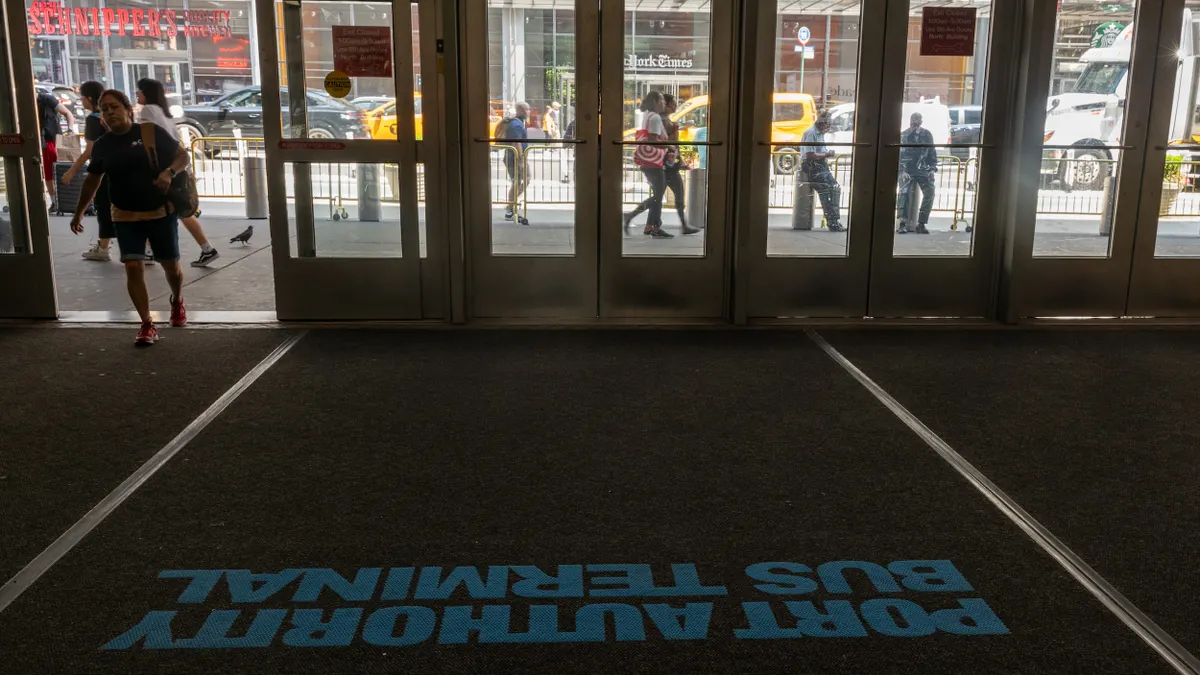
Despite this evidence of their value, intercity buses face bias in transportation planning. In many cities, buses are excluded from existing transportation hubs and pushed to the outskirts. These decisions are often framed as efforts to manage congestion or accommodate neighborhood concerns, but in practice they reflect lingering stigmas.
Remote stops create inconvenience for travelers and disconnect intercity buses from local transit systems that taxpayers have already funded. They also reduce access to jobs, education and health care for the communities that rely most on affordable long-distance travel. Treating buses as an afterthought weakens the very transportation networks cities are trying to strengthen.
Part of the stigma surrounding bus travel stems from outdated perceptions. For decades, underinvestment and inconsistent service created a reputation for buses as slow, uncomfortable and inconvenient.
The industry has changed dramatically in recent years, however. Private operators have invested heavily in modern fleets, digital booking platforms and improved passenger experiences.
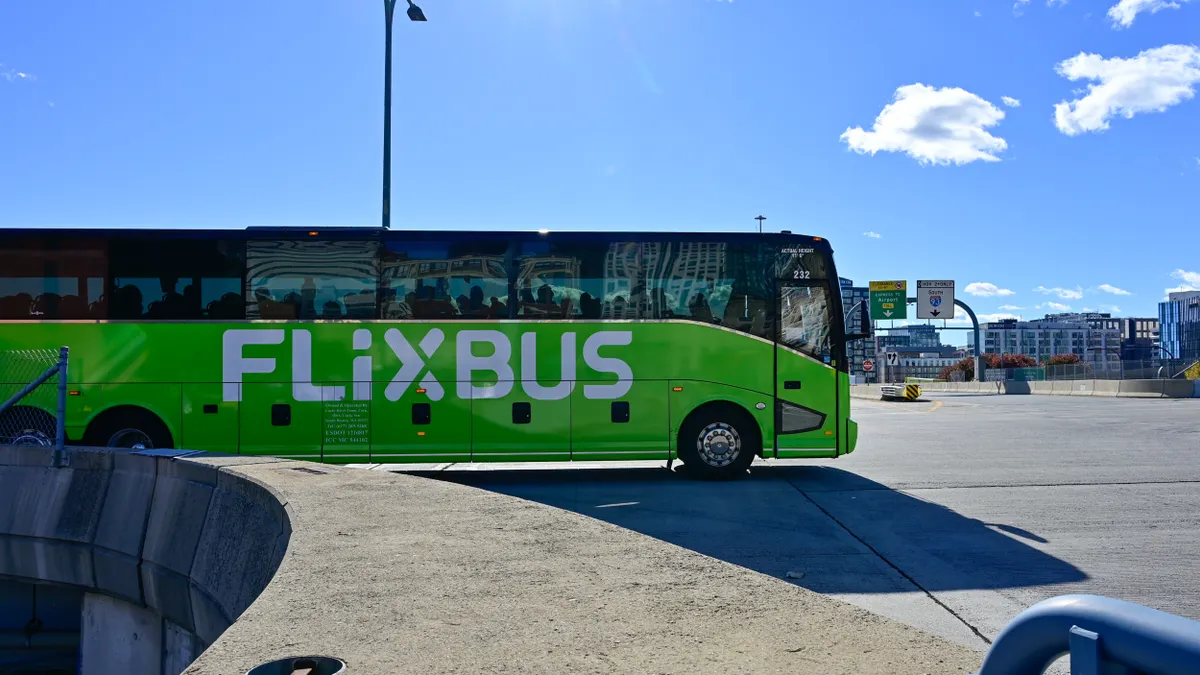
Today’s intercity buses offer comfortable seating, Wi-Fi, power outlets, climate-controlled cabins and real-time trip tracking. Smarter routing and data-driven scheduling have improved reliability, and travel times on many corridors are now competitive with other modes of travel. Increasingly, passengers choose buses not because they have no other option, but because the service is reliable and affordable.
From a public investment perspective, buses are extremely efficient. Intercity bus service in the U.S. is operated primarily by private companies and requires minimal taxpayer funding.
On a per-passenger-mile basis, buses receive only a fraction of the federal support that other long-distance transportation modes receive. Passenger rail receives substantially higher public subsidies, while the aviation system depends on publicly funded airports, air traffic control infrastructure and security operations.
At the same time, private bus operators contribute fuel taxes to the Highway Trust Fund that support national transportation infrastructure. In other words, buses deliver extensive mobility benefits at very little cost to taxpayers.
Cities leading the way
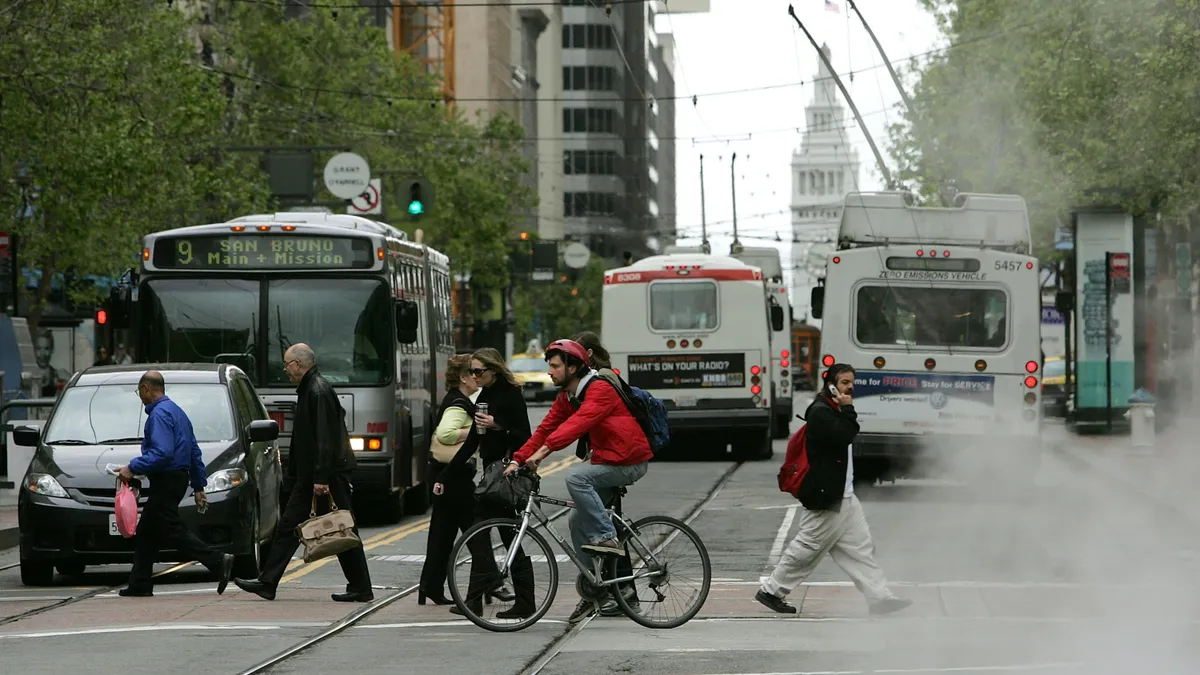
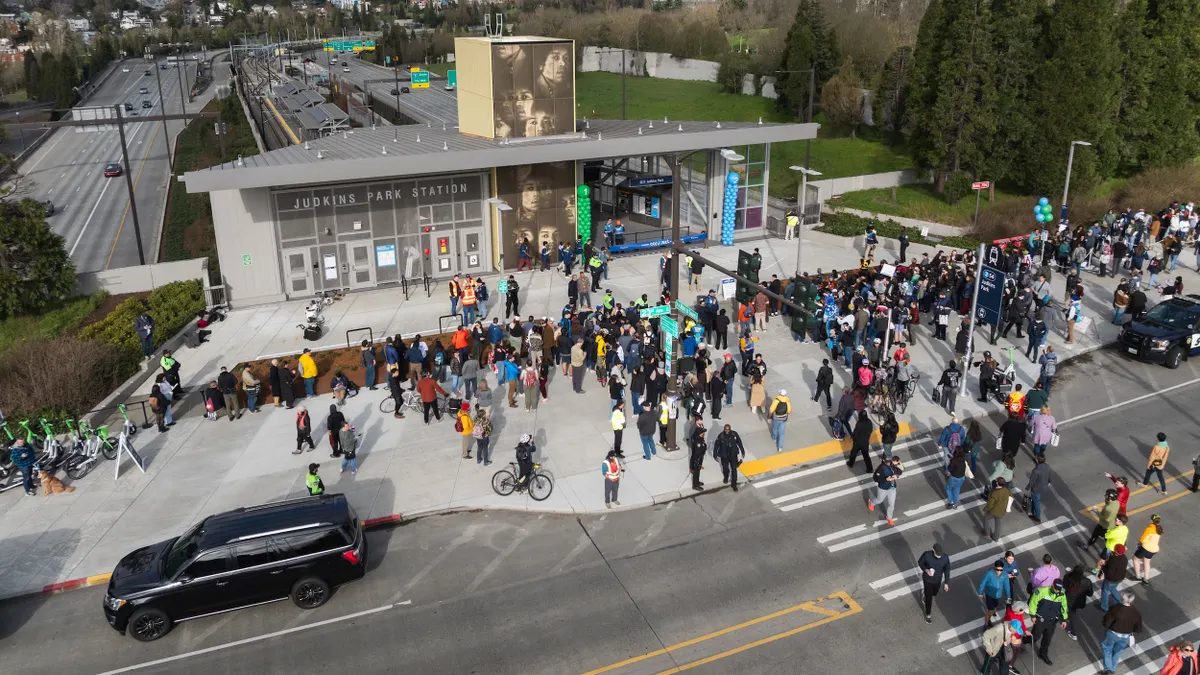
Some cities are already recognizing the benefits of integrating intercity buses into broader transportation planning. In Los Angeles, Boston, New York and Washington, D.C., local governments are working with intercity bus operators to incorporate service into multimodal transportation hubs alongside rail, public transit and airports.
These partnerships improve safety, increase ridership, support nearby businesses and make better use of existing public infrastructure. They also make travel easier for passengers by allowing seamless connections between different transportation modes.
This model should not be the exception. It should become the standard.
The coming major events will test U.S. transportation systems. Cities that embrace flexible, scalable solutions capable of moving large numbers of people efficiently will pass the test.
Intercity buses are already doing that every day. By ending outdated stigma, integrating bus service with public transit and other transportation modes at multimodel hubs and building partnerships with private operators, cities can create networks that are more resilient, more equitable and better prepared for surges in travel demand.
The future of mobility is not about choosing one mode over another. It is about building a balanced system where the many modes complement each other. Intercity buses are ready to play their part. Recognizing their value will help ensure that residents and visitors alike can travel safely, affordably and efficiently in the years ahead.