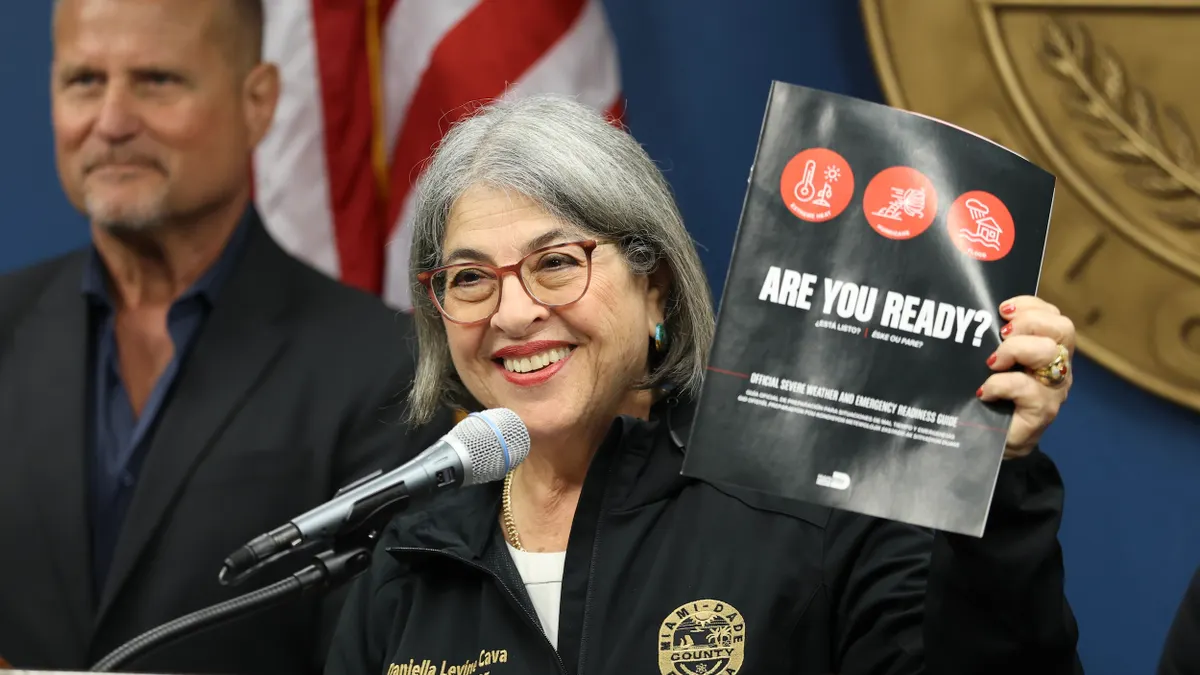
As a record-breaking heat dome moves east from the western United States — and above-normal temperatures are predicted across the country this spring — many city leaders are focused on protecting residents from extreme heat.
“Cities are getting hotter, not only because of increased greenhouse gases in the atmosphere globally, but because of how we design our cities locally — more asphalt and concrete, less vegetation, less tree canopy, more waste heat from our buildings and vehicles,” Jane Gilbert, chief heat ambassador for the Climate Resilience Center, said during a recent ICF webinar, How to Advance Your Extreme Heat Planning.
Cities are about 10 degrees hotter than surrounding areas, Gilbert said, but “the good news is that heat-related illnesses and deaths are highly preventable with good heat action planning and implementation.”
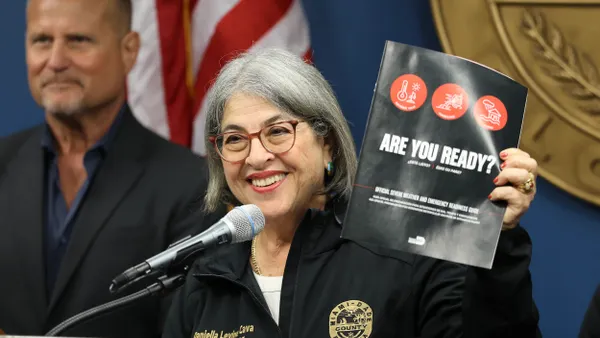
Gilbert, Miami-Dade County’s chief heat officer from 2021 through 2025, and Abby Sullivan, chief resilience officer for Philadelphia, shared how two local governments in different climates are tackling heat head-on.
Miami-Dade County: targeting at-risk neighborhoods
Over the past 40 years, the annual average temperature in Miami-Dade County has risen by 2.2 degrees Fahrenheit, Gilbert said. This has resulted in “a dramatic increase in dangerously high heat days,” she said, “and we will see even more dramatic increases going forward.”
Miami-Dade County launched its countywide Extreme Heat Action Plan in 2022 with an assessment of historic temperature and heat index trends, locations where people were most at risk for heat illness and death, and compound risks such as hurricanes causing extended power outages, Gilbert said.
Her team found that residents who lived in ZIP codes with the highest percentage of poverty rates and high daytime surface temperatures had three and four times more heat-related emergency department visits and hospitalizations.
Using that data, a task force including a medical doctor, the state health department, the National Weather Service, community-based organizations and residents created Miami-Dade’s heat action plan with the goals of preparing residents to affordably stay cool at home, ensuring evacuation shelters and cooling centers have backup power in the event of widespread power outages, and mitigating urban heat island effects for Miami-Dade’s most vulnerable neighborhoods, Gilbert said.
The task force launched an education outreach campaign that included billboards and bus stop signage, as well as social media and radio campaigns, focused on the most vulnerable populations. The plan also provided weatherization assistance for the most at-risk residents and heat-safety training for summer camp providers, employers and community leaders.
Using the results of an urban tree canopy assessment, Gilbert’s team convinced county commissioners to prioritize tree planting in areas with less than 20% tree canopy and greater than 20% poverty rates, she said. Similarly, the Department of Transportation and Public Works used the team’s heat-risk assessment to choose where to place new bus shelters.
“Heat mitigation and management cannot be managed by one department in a city or county, and it cannot be solved by just local government alone,” Gilbert said. “Your healthcare sector, your community organizations, your university partners all need to be on deck — and even national partners, as well.”
Philadelphia: interagency cooperation
Philadelphia is in the midst of updating its climate resilience plan to include citywide vulnerability assessments focused on flooding and heat, assess the impacts of heat on the electric grid and air quality, and get resident input on where and how heat-mitigation investments should be made, Sullivan said.
Without a centralized entity to address heat mitigation and management, Philadelphia’s Office of Sustainability works with several different departments and external partners — including hazard-specific programs, the city’s energy team and a place-based team that works to build trust in frontline communities — to assess and address the city’s heat vulnerability, she said.
The Office of Sustainability coordinates interagency collaboration, “trying to make sure we’re filling the gaps,” Sullivan said.
Philadelphia’s Department of Public Health leads citywide heat preparedness, including outreach and emergency declarations. It also runs trusted-messenger training with faith leaders and block captains in at-risk areas, Sullivan said.
The Office of Emergency Management developed the city’s excessive heat plan and oversees its cooling centers, which are managed by libraries and the Philadelphia Parks & Recreation. The Water Department has built green stormwater infrastructure in neighborhoods with urban heat islands, and parks and rec is working to expand the city’s tree canopy to 30% coverage across all neighborhoods.
Finally, the Department of Behavioral Health and Intellectual disAbility Services supports the unhoused population and coordinates with homeless shelters to distribute water and provide resources, Sullivan said.
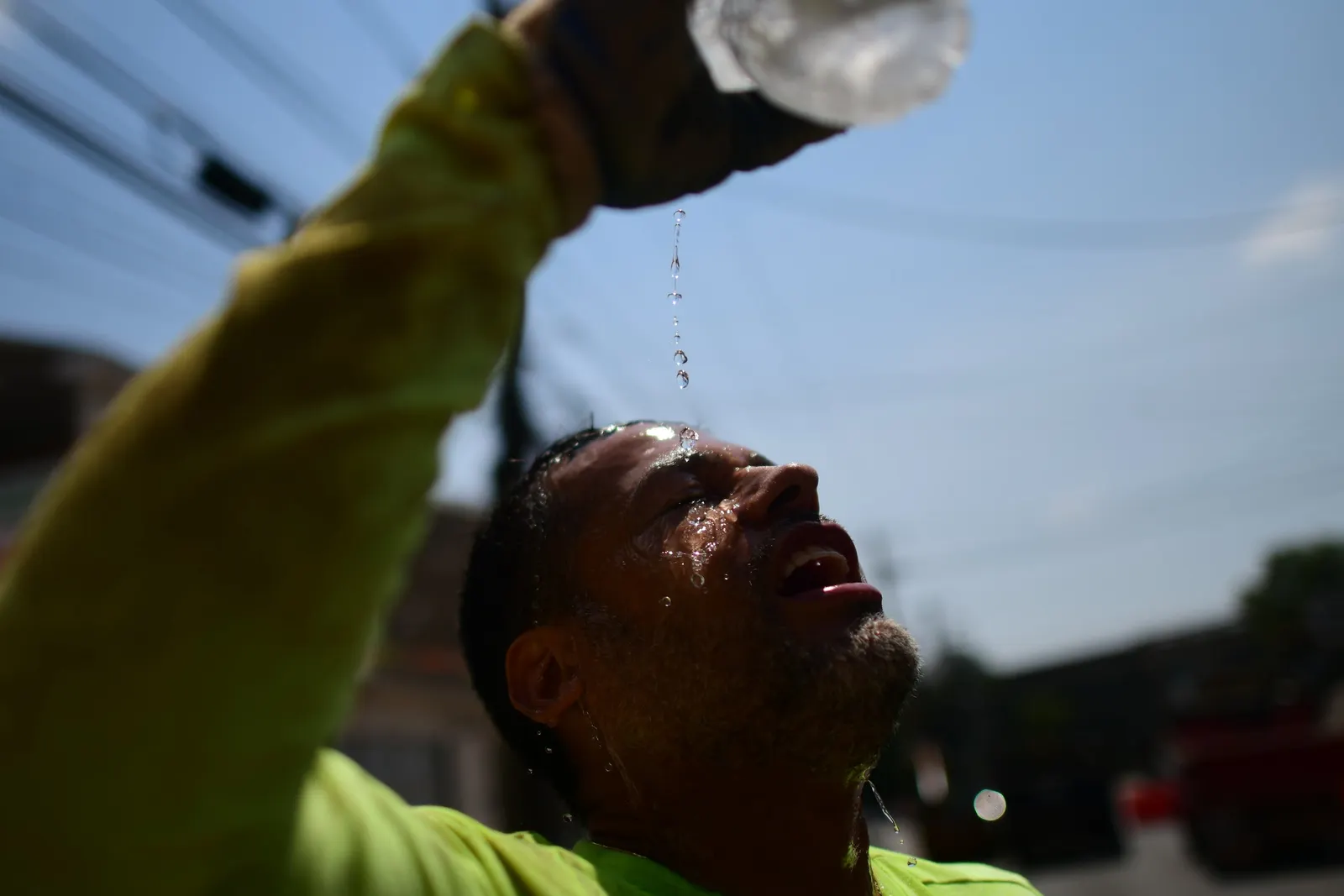
“We hear time and time again … that people want to be safe in their homes,” she said.
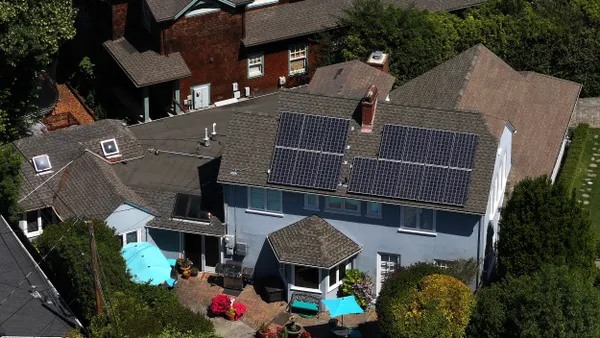
Her office partners with the Energy Coordinating Agency, a nonprofit that helps residents weatherize their homes and provides utility bill assistance. The Philadelphia Energy Authority, a quasi-governmental agency, helps implement energy-efficient upgrades like solar that “go above and beyond” weatherizing, Sullivan said.
“Cities approach this in different ways,” Sullivan said. “But in Philadelphia, it really is spread across all these departments and organizations, and we each play a key role when it comes to preparedness, emergency response, recovery, addressing the root cause and adapting.”